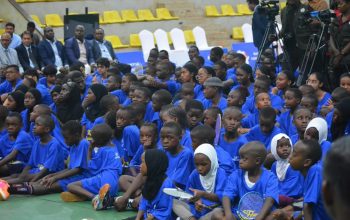
Uganda’s women’s football has travelled a remarkable road — from informal kickabouts where girls squeezed into boys’ teams, to a structured league system now attracting corporate interest and global attention.
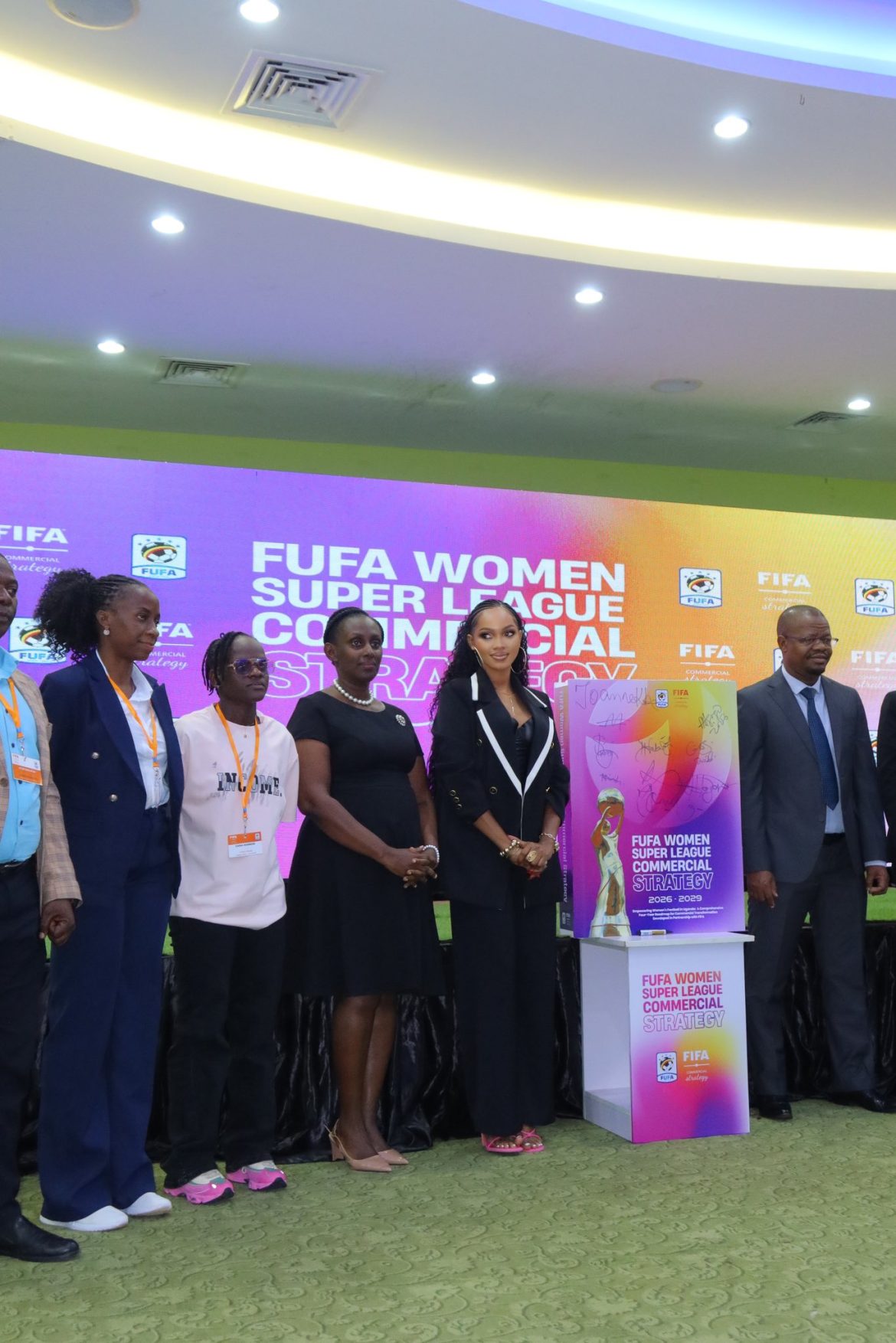
At the launch of the FUFA Women Super League Commercial Strategy in Kampala, FUFA President Moses Magogo painted a picture not just of progress, but of transformation. What was once a struggle for visibility is steadily becoming a commercially viable and professionally organised segment of Ugandan sport.
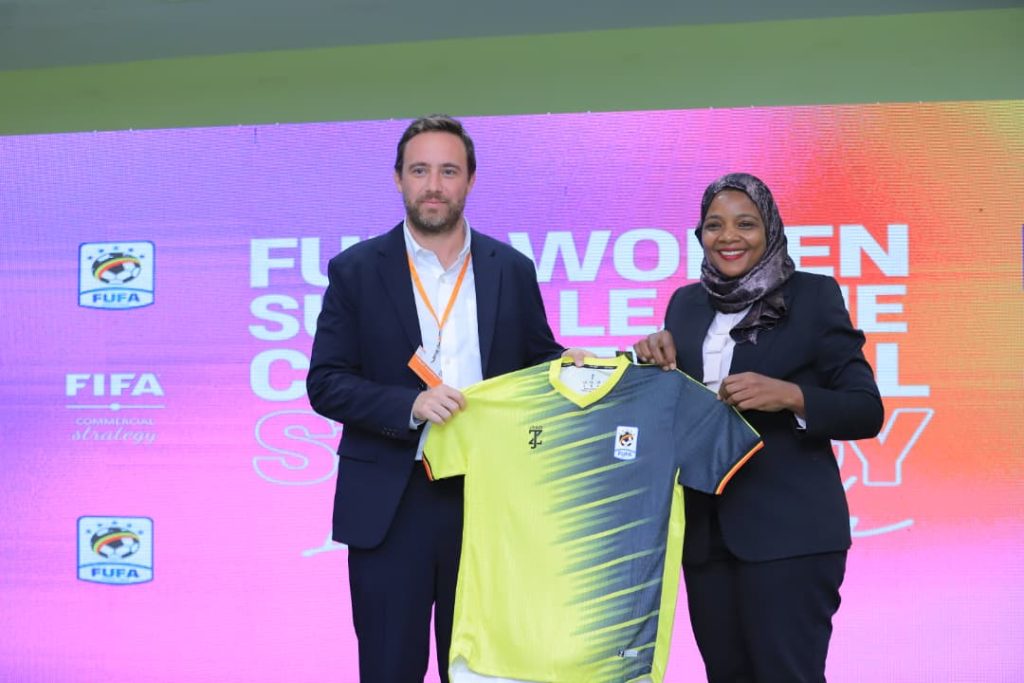
Magogo highlighted that the Federation’s current focus goes beyond competition. It is about building an ecosystem — one supported by legal protection, improved infrastructure and stronger commercial partnerships. With FIFA selecting Uganda as one of only two pilot countries worldwide for its women’s football commercialisation project, the message is clear: the women’s game in Uganda is no longer an afterthought.
The federation’s roadmap rests on three pillars — expanding grassroots access, professionalising elite competitions and pushing for international competitiveness. According to Magogo, growth must be deliberate and sustainable, supported by government collaboration and improved governance structures that now include greater female representation.
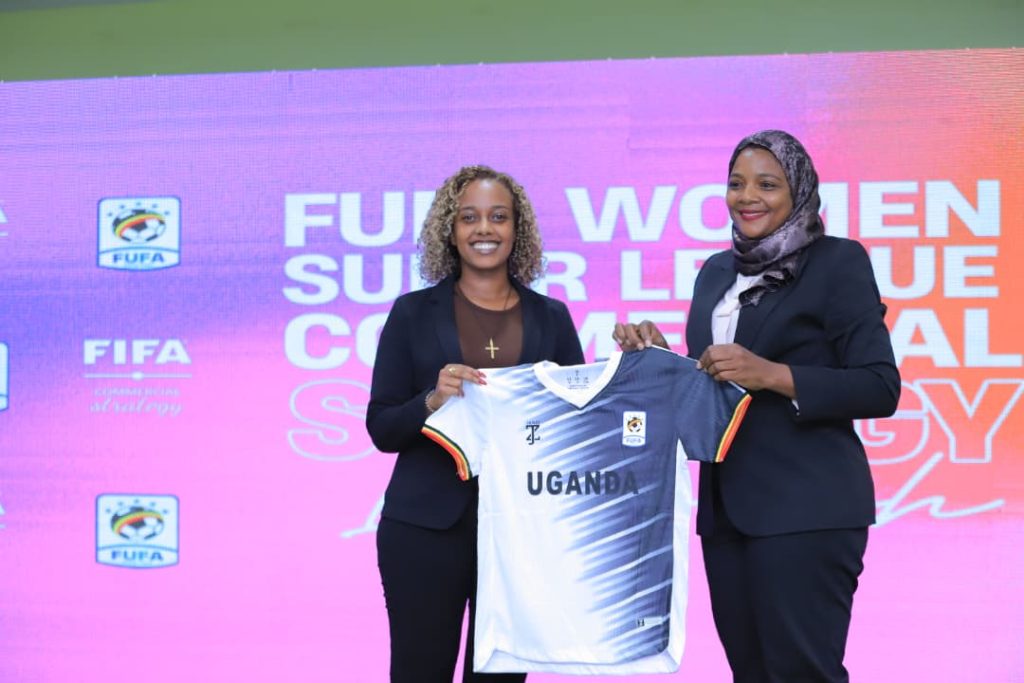
Equally significant is the cultural shift. Where scepticism once surrounded girls playing football, communities now recognise the sport as a pathway to education, empowerment and even professional careers. Structured clubs, better welfare systems and technical development are now the next frontier.
The narrative has changed. Women’s football in Uganda is no longer about proving it belongs — it is about positioning it to thrive.