
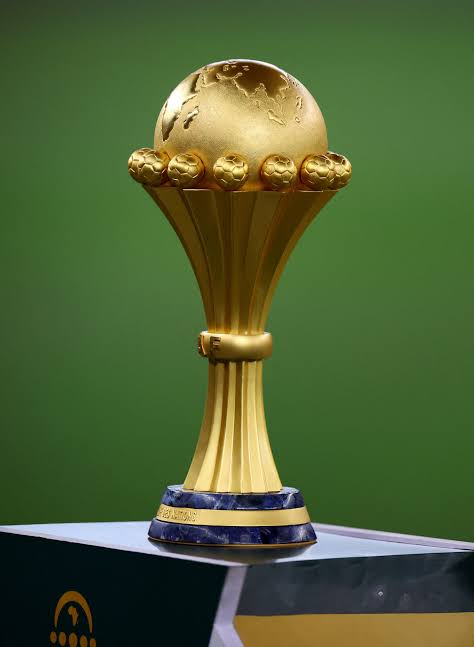
While the legal battle over CAF’s move to a four-year AFCON cycle intensifies in the corridors of power, a louder outcry is echoing across the continent: Has African football finally been surrendered to Zurich?
The Confederation of African Football (CAF) recently confirmed that after 2028, the Africa Cup of Nations—the heartbeat of the continent—will move from a biennial to a quadrennial format. While President Patrice Motsepe pitches this as “synchronization” with the global calendar, critics and legal experts argue it is a direct violation of CAF’s own statutes and a “surrender” to European club pressure.
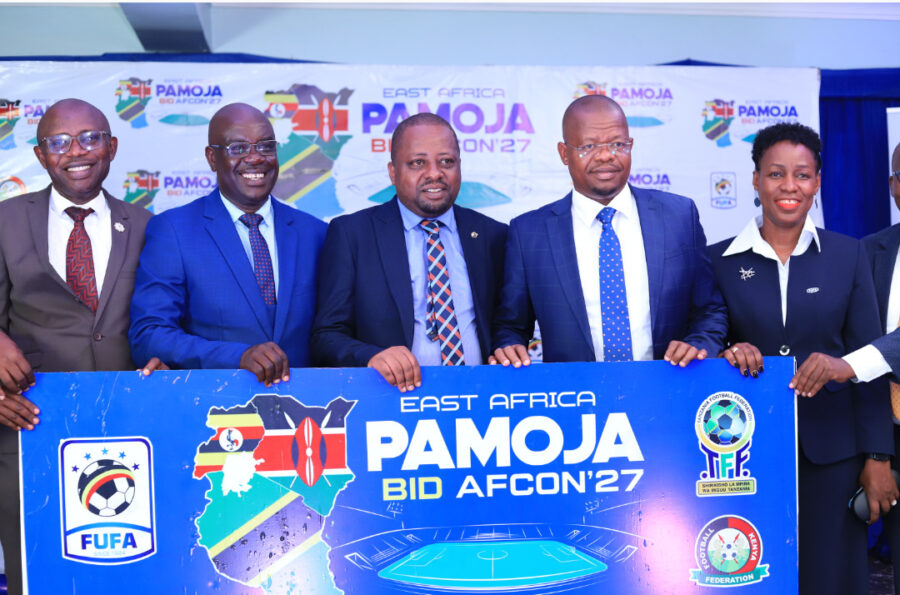
The “Pamoja” Dilemma: What Happens to 2027?
For Uganda, Kenya, and Tanzania, the timing of this restructuring is particularly sensitive. The three nations are set to co-host AFCON 2027 under the “Pamoja” bid.
However, CAF’s new plan introduces a “transition” tournament in 2028—just one year after the East African showpiece. This creates a crowded two-year window that could dilute the commercial value and fan excitement for the 2027 edition. With a fresh bidding process opened for 2028, there are growing fears that the East African tournament will be treated as a “rehearsal” rather than the main event.
Statutes vs. Strategy
The legal challenge centers on a simple but powerful argument: The CAF Statutes mandate the promotion and development of African football for Africans. By reducing the frequency of its flagship tournament, CAF is accused of:
Financial Risks: AFCON generates nearly 80% of CAF’s revenue. Moving to a four-year cycle creates a massive funding gap that a proposed “African Nations League” may not easily fill.
Lack of Sovereignty: Egypt legend Mohamed Aboutrika famously slammed the move, stating that African football is now “in the service of European football.”
Procedural Flaws: Challengers argue that a change of this magnitude requires a vote from the General Assembly, not just an Executive Committee decision.
The View from Kampala
For Ugandan football fans, the biennial AFCON was more than a tournament; it was a frequent hope for the Cranes to test themselves against the best. By moving to a four-year cycle, the opportunities for rising stars in the Uganda Premier League to showcase their talent on the grandest stage are essentially cut in half.
As the legal drama unfolds, the question remains: Is this a “modernization” of the game, or is CAF trading its heritage for a seat at the table with FIFA and UEFA?
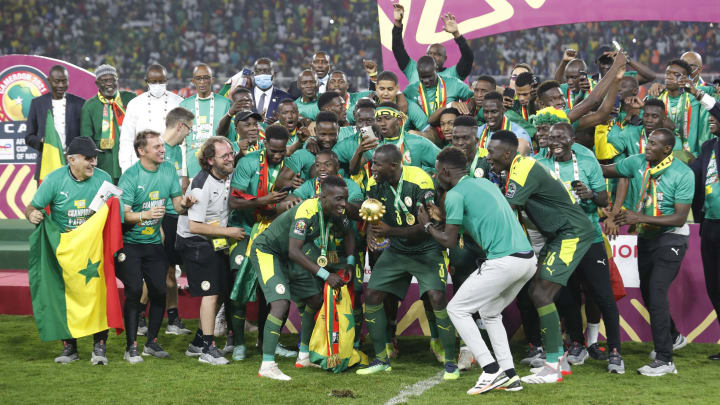
One thing is certain—the battle for the frequency of AFCON is a battle for who truly owns African football.
Quick Facts:
Last Biennial AFCON: 2027 (East Africa) & 2028 (TBD)
First Quadrennial AFCON: 2032.
The “Replacement”: An annual African Nations League starting in 2029.
The Prize: AFCON winners now take home $10 million, up from $7 million.



This is a really important conversation to be having, it’s understandable why many feel this shift impacts the very heart of the competition.