While regional football rivalries are usually settled on the pitch, Kenya is making massive strides off it, setting a towering benchmark for sports development in East Africa.
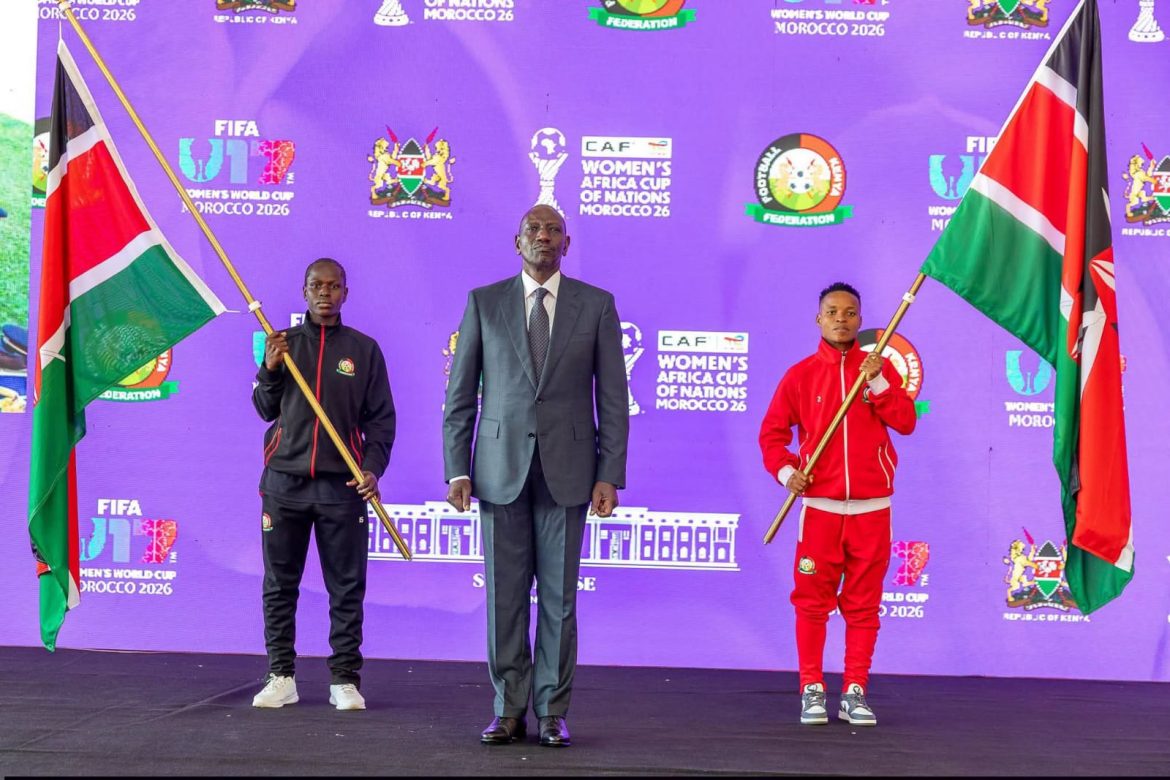
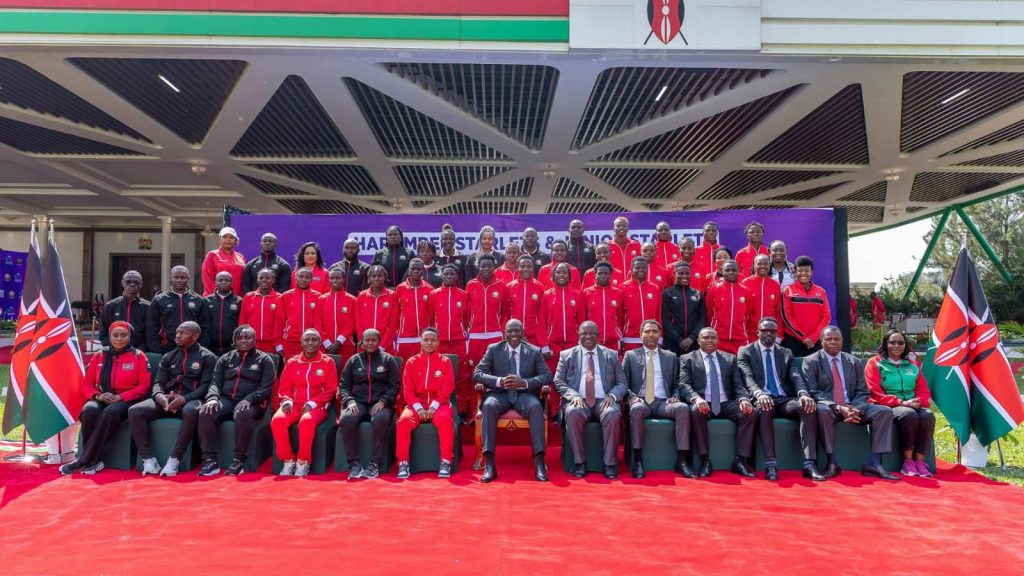
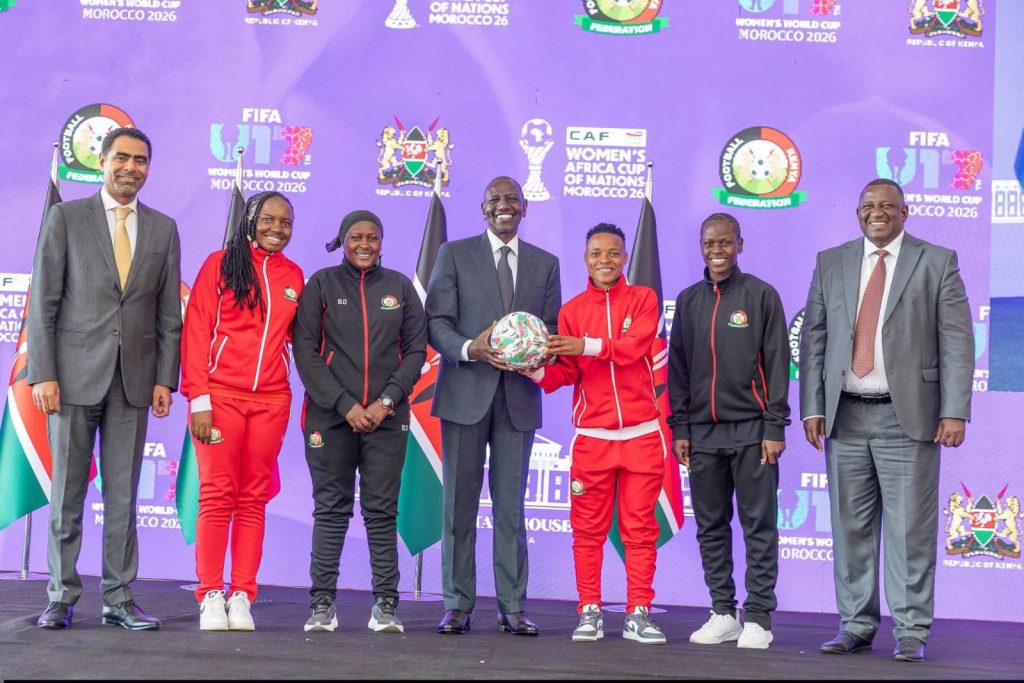
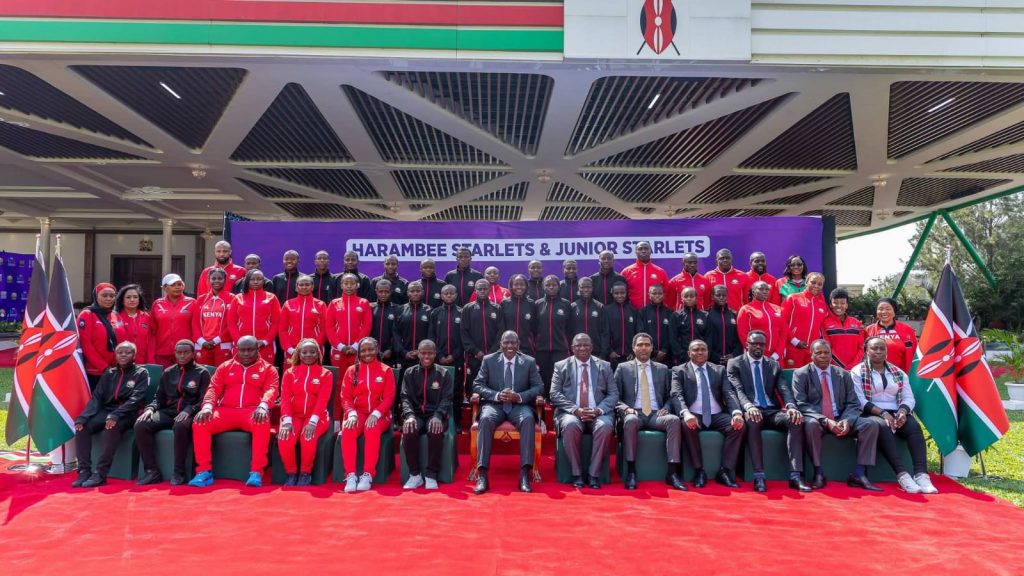
In a high-profile ceremony at State House Nairobi, Kenyan President William Ruto officially flagged off two of the country’s brightest women’s football national teams: the senior team, Harambee Starlets, and the U-17 side, Junior Starlets.
Both squads are heading to Morocco to fly the East African flag at the 2026 Women’s Africa Cup of Nations (WAFCON) and the FIFA U-17 Women’s World Cup, respectively.
However, it wasn’t just the presidential send-off that caught the attention of sports analysts across the region—it was the staggering numbers and infrastructural updates dropped during the address.
President Ruto revealed that in the last financial year alone, the Kenyan government injected KSh 4.5 billion—a jaw-dropping $34.7 million USD (approx. UGX 128.9 billion)—directly into supporting national teams. This funding covers vital logistical needs, including elite accommodation, high-performance kits, player allowances, and travel logistics.
In an unprecedented move for athlete welfare in the region, the Kenyan government also announced that national team players will now benefit from official state health insurance (Social Health Authority cover) and be integrated into the country’s Affordable Housing Programme.
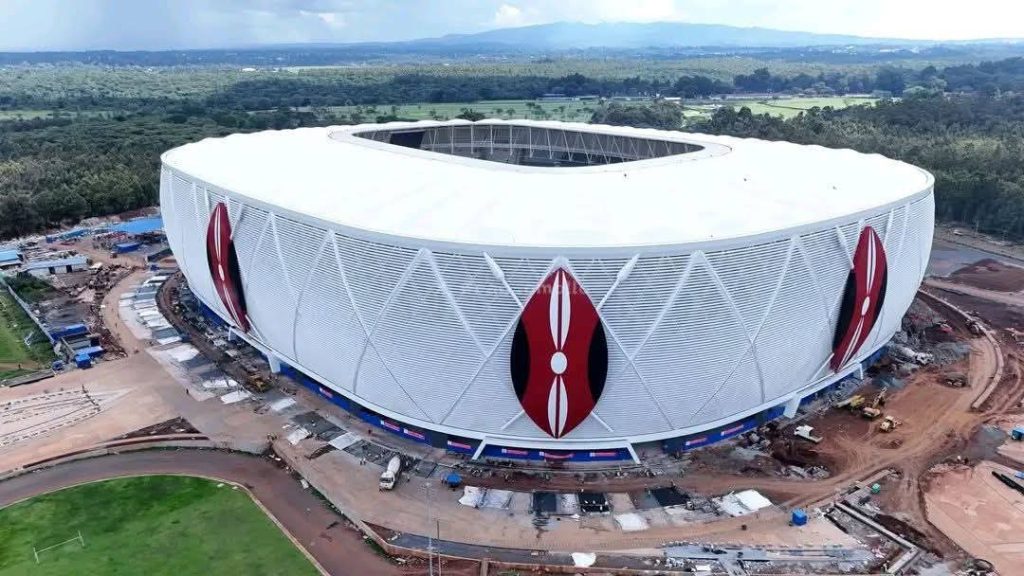
For Ugandan football stakeholders watching from across the border, the most striking revelation lies in Kenya’s aggressive infrastructure drive. The custom-built, state-of-the-art Talanta Sports City in Nairobi—designed primarily for football and rugby—is now reportedly 95% complete.
Additionally, the Kenyan government confirmed that 32 modern regional stadia are currently under construction across various counties.
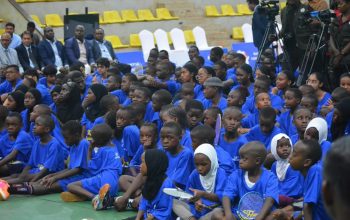
This massive facility boom is backed by structured grassroots development, with over 10,000 young athletes currently enrolled in development programmes through schools and the Kenya Academy of Sports, supported by 6,000 newly trained coaches and sports administrators.
As the Junior Starlets prepare to test themselves against the world’s best in Morocco, this aggressive blueprint offers a massive lesson for Uganda.
While Uganda continues to produce incredible raw talent and celebrated historic steps like the partial renovation of Namboole Stadium, Kenya’s deliberate, multi-million dollar investment into 32 regional stadia and elite sports academies shows what is required to sustain success on the continental stage.
With the 2027 Africa Cup of Nations (AFCON) co-hosting duties on the horizon for East Africa, Kenya is clearly laying down a marker.