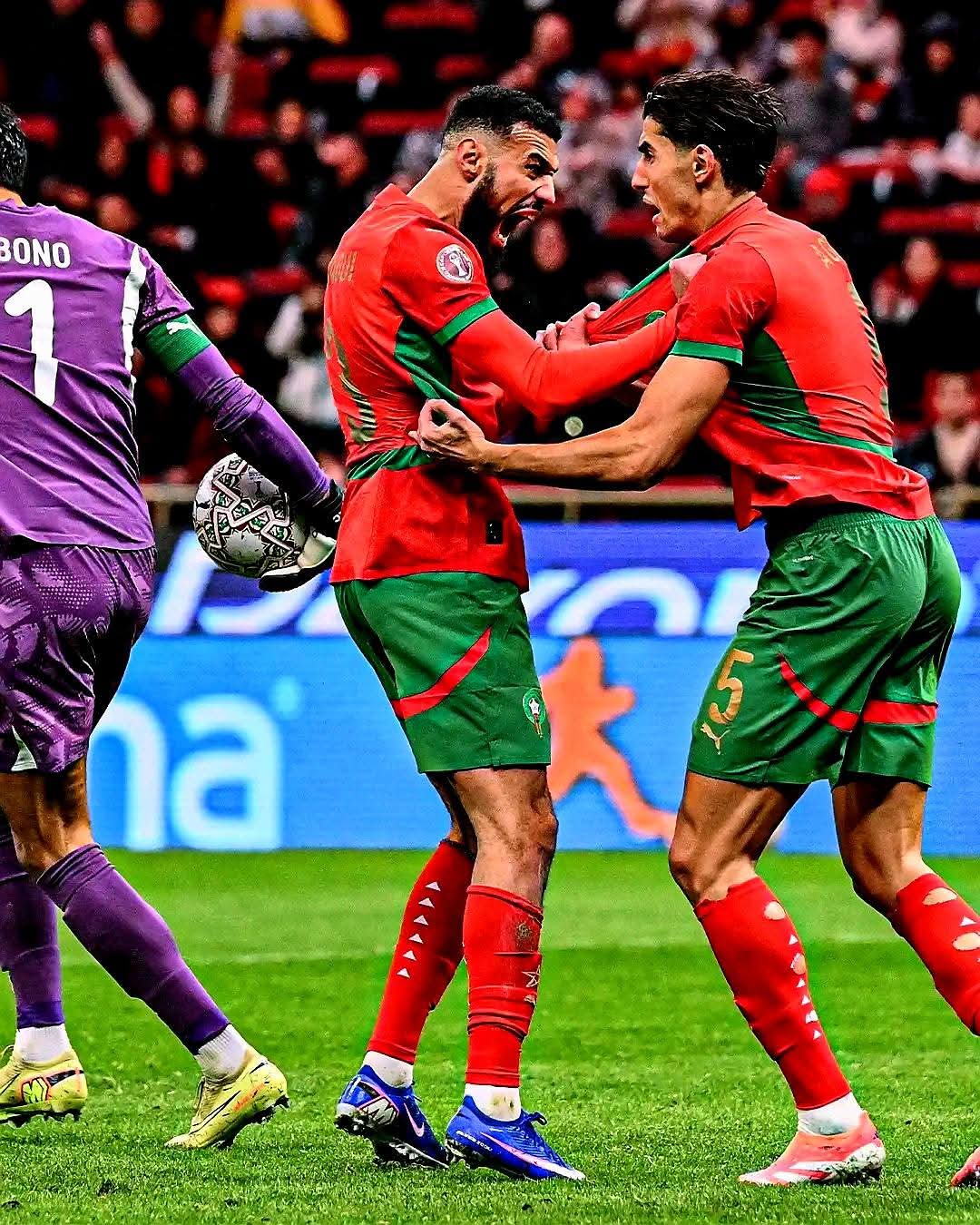
Morocco and Zambia will battle for a place in the knockout stages of the 2025 Africa Cup of Nations when they meet at the Prince Moulay Abdellah Stadium in Rabat on 29 December, with kick-off at 20:00 local time (19:00 GMT). Both teams know that only a victory guarantees advancement, setting the stage for a tense and highly competitive encounter.
Morocco, the tournament hosts, arrive unbeaten after victories over Comoros and a draw against Mali. Under Walid Regragui, they are on a 21-match unbeaten streak and have never lost a group-stage match at AFCON under his leadership. The Moroccans have a rich history against Zambia, winning 14 of the 22 meetings, including their last five encounters. Key players like Brahim Díaz and Ismael Saibari have been central to Morocco’s attacking threat, while goalkeeper Yassine Bounou and defenders like Nayef Aguerd ensure solidity at the back.
Zambia, on the other hand, face a must-win scenario. Winless in the tournament so far with two draws, the Chipolopolo are desperate to break an 11-match AFCON group-stage winless streak. Their last AFCON victory came in 2012, a run that includes four successive group-stage exits in recent editions. Young talents like David Simukonda and Kings Kangwa will be vital as Zambia look to rediscover the sharpness that brought them the 2012 title.

Historically, their AFCON meetings favor Morocco. The sides have met three times in group stages—1986, 1998, and 2023—with Morocco claiming two wins and a draw. Past encounters often had implications beyond the group stage, with one side advancing to later rounds. For Zambia, facing a host nation has been challenging, though they have finished on the podium in three of four previous AFCON campaigns against hosts.
With everything on the line, this match promises drama, tactical battles, and the high stakes that define AFCON group-stage finales. Morocco aim to maintain their unbeaten record and continue their momentum, while Zambia seek to break their winless streak and reignite hopes of reaching the knockout stages.