
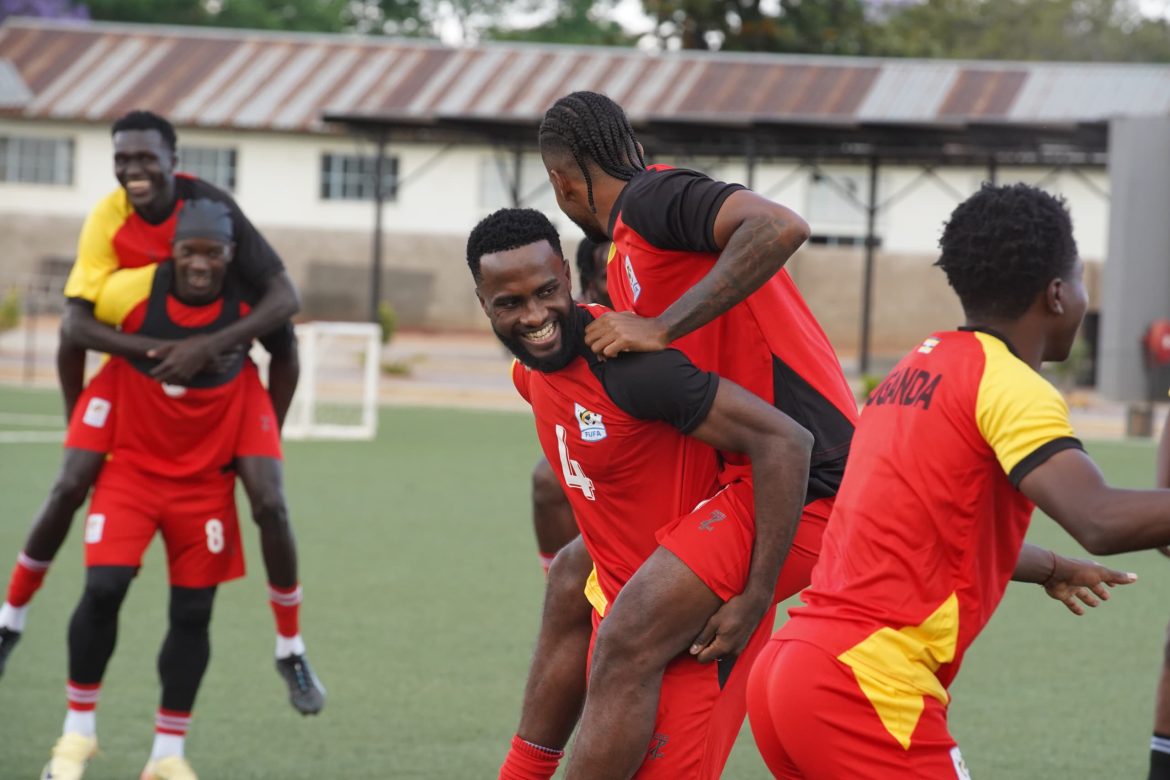
Uganda’s long-awaited return to the Africa Cup of Nations will be defined less by memories of absence and more by the men trusted to carry the Cranes through a demanding Group C campaign.
As Uganda step onto the turf at Rabat’s Prince Moulay Abdellah Stadium tonight to face Tunisia, they end a six-year spell away from Africa’s premier football tournament. The journey back has been shaped by disappointment, instability on the technical bench and a determined rebuild aimed at restoring competitiveness rather than reliving past glories.
Uganda last appeared at AFCON in 2019, reaching the round of 16 in Egypt before bowing out to eventual finalists Senegal. The years that followed were unforgiving. Failure to qualify for the 2021 and 2023 editions exposed structural weaknesses, prompting frequent coaching changes and eroding confidence within the squad.
That cycle was finally broken in November 2023 with the appointment of Belgian coach Paul Put, whose vast experience on the continent brought clarity and authority. Under his guidance, Uganda qualified for the Morocco finals with a match to spare, finishing second behind South Africa and rediscovering belief ahead of a tough test against Tunisia, Tanzania and Nigeria.
Put’s challenge now is execution — and much will depend on a core group of players expected to shoulder responsibility.
In goal, veteran Denis Onyango remains a pivotal figure. The former captain’s return from international retirement added composure and leadership during the 2026 World Cup qualifiers, though competition from Salim Jamal Magoola offers a youthful alternative. Whoever starts will play a decisive role against high-pressure opponents.
Defensively, the Cranes will lean heavily on the experience of Elio Capradossi and Jordan Obita at centre-back, with Aziz Kayondo and Tobby Sibbick providing width and recovery pace. Their organisation will be critical against Tunisia’s structured attacking play.
Midfield leadership rests with captain Khalid Aucho, whose ball-winning and positional discipline set the tone. Alongside him, Bobosi Byaruhanga, Ronald Ssekiganda or Kenneth Semakula offer balance and energy depending on the tactical demands of each match.
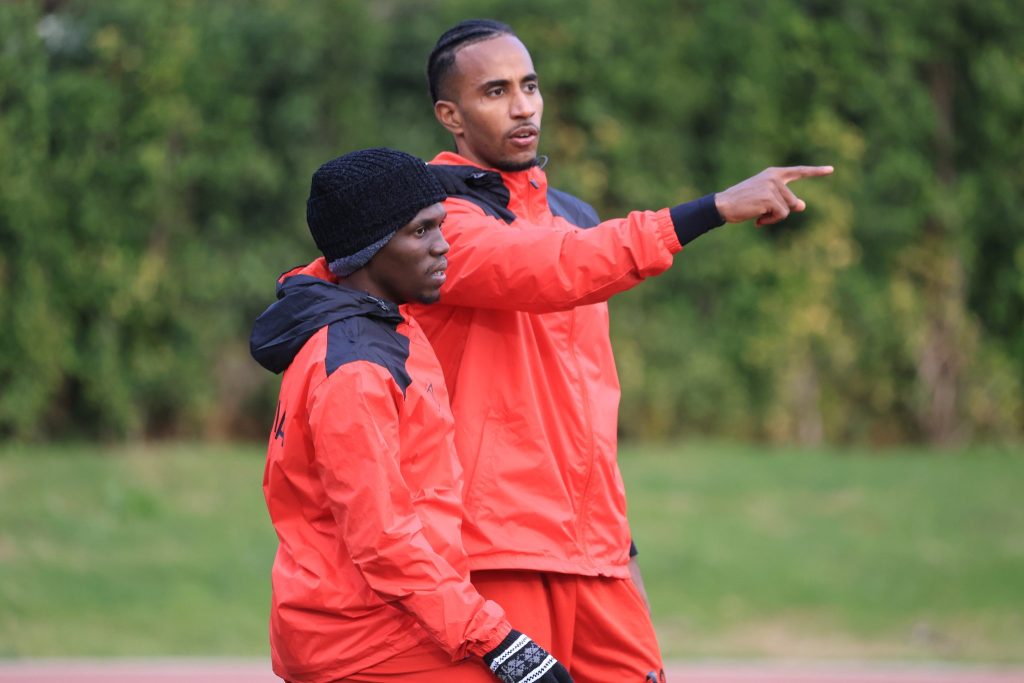
Creativity is expected to flow through Allan Okello and Travis Mutyaba, two players capable of unlocking compact defences. On the flanks, Rogers Mato’s speed and direct running stand out as a major attacking weapon, while Melvyn Lorenzen’s experience or Jude Ssemugabi’s intensity could prove decisive on the right.
Up front, Steven Mukwala is likely to spearhead the attack, but Put also has depth in Ivan Ahimbisibwe, physical forward Uche Ikpeazu and teenage prodigy James Bogere, whose rapid rise from the U17 World Cup has added intrigue to Uganda’s attacking options.
Uganda’s AFCON legacy still traces back to the 1978 final appearance, with 2019’s last-16 finish the modern reference point. This campaign, however, is about forging a new identity driven by discipline, leadership and belief.
Against Tunisia — a side that has historically troubled the Cranes — Uganda’s hopes will rest on how effectively their key players rise to the occasion. For a nation eager to reassert itself on the continental stage, this return is not just symbolic; it is a chance to prove that the rebuild has substance.


Sounds like a really exciting time for Ugandan football! It’s fantastic to see those key players leading the way.