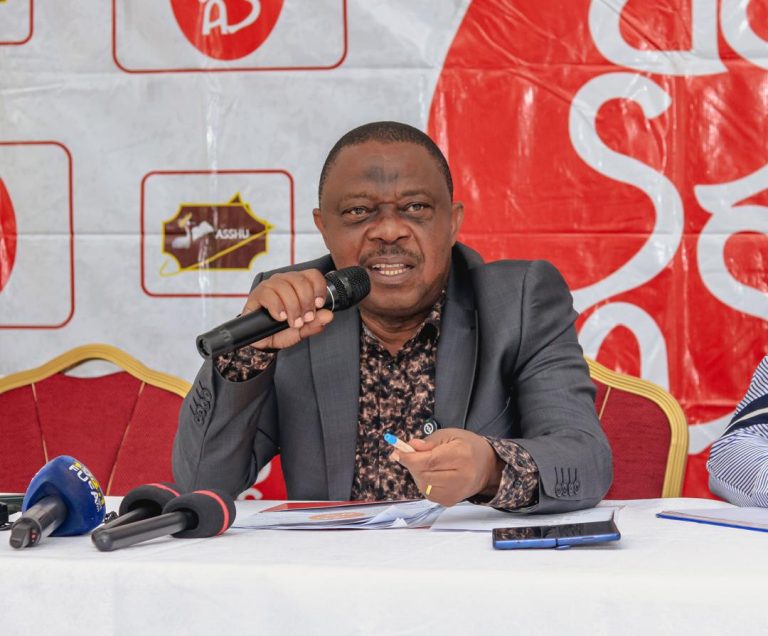
Uganda’s school sports landscape is entering a decisive phase, with the Uganda Secondary Schools Sports Association (USSSA) rolling out reforms aimed at reshaping how young talent is identified, managed and exposed. Speaking on the association’s direction, President Justus Mugisha painted a picture of a system moving away from improvisation toward long-term planning and professionalism.
At the heart of the shift is a growing reliance on digital tools to run competitions and manage athletes. Registration for the 2026 season is already active, running from late October to March, as USSSA tightens control over player data and eligibility. New measures, including a modest athlete transfer fee, are designed to curb irregular movements while improving record-keeping. The introduction of a centralized Competition Management System across major team sports has further streamlined fixtures, results and athlete profiles, reducing disputes and administrative delays.
Beyond administration, attention has turned to where and how school games are staged. Hosting rights are no longer just about rotation, but about quality. Schools with modern facilities, or those willing to upgrade in partnership with USSSA, now take precedence as the association responds to the demands of televised competitions and a growing audience. This vision extends into the future, with plans underway to secure land for a permanent USSSA home, complete with multiple pitches and infrastructure capable of hosting thousands of student-athletes at a single championship.
Governance has also taken centre stage as the current leadership cycle nears its end. Mugisha, who took office in 2022, confirmed that the electoral process has been activated, beginning at district level and culminating nationally. With a Returning Officer already in place, USSSA aims to deliver a smooth transition that respects its constitution and reinforces institutional credibility.
On the field, athletics has been singled out for a major overhaul. Instead of rushed selections, the calendar now spreads competition across two national meets, followed by targeted training camps. A clearly defined qualification ladder from districts to zones and then nationals—ensures that athletes peak at the right time, particularly ahead of the FEASSA Games later in the year.
International exposure remains a cornerstone of the strategy. Ugandan students will represent the country across multiple continents in sports ranging from handball and basketball to football, volleyball, golf and gymnastics. These engagements, according to USSSA, are not just about medals, but about early exposure to elite environments that accelerate growth.
Closer to home, the USSSA Elite Games are set for late February at Janan Secondary School in Bombo, with final inspections expected to green-light the venue. Confidence is high that the event will meet the association’s elevated standards.
In a move to broaden participation, USSSA has also expanded its sporting menu. New disciplines and demonstration events have been added to attract more students, reinforcing the association’s belief in mass participation as the foundation of excellence.
Taken together, these changes signal a clear intent: to build a school sports system that is organised, inclusive and internationally competitive, while keeping student development at its core.