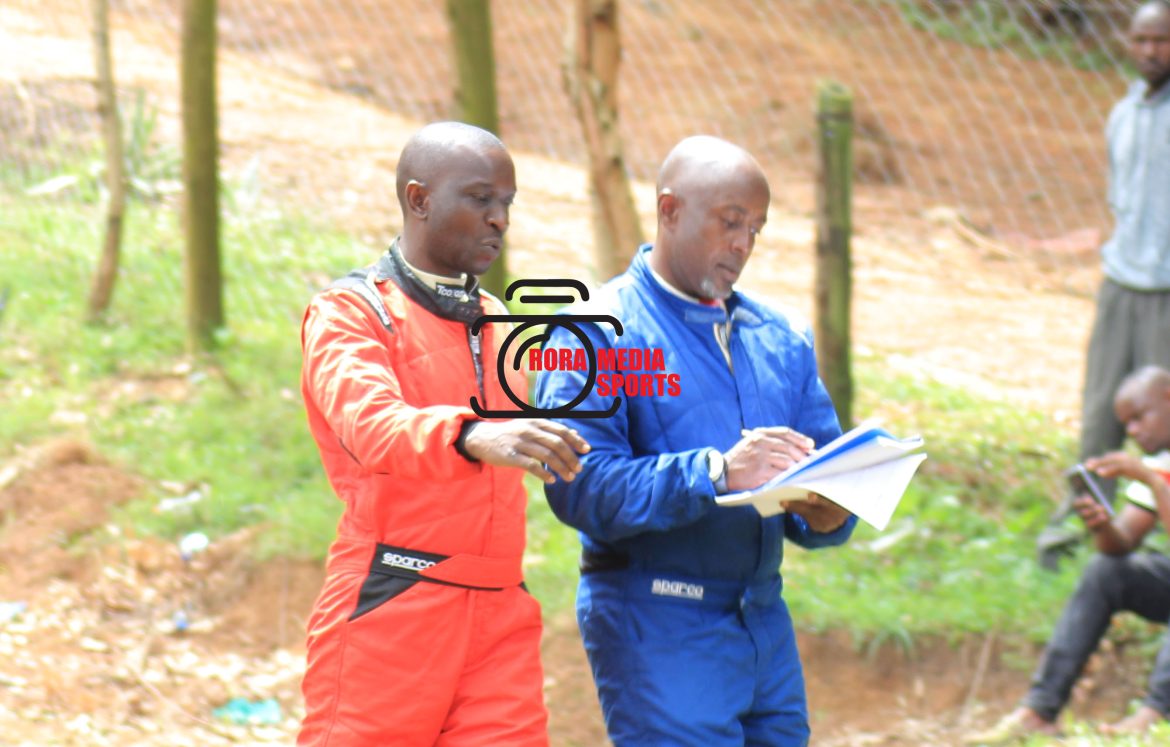
The air in the Kikankane Rally Team (KRT) garage usually hummed with the focused energy of mechanics and the low murmur of strategic discussions. But lately, a different kind of tension had settled, a subtle discord that Joseph Kamya, a man whose career was built on precision and reading the unseen, felt keenly.
Kamya, a veteran navigator whose calm voice had guided the likes of Hassan Alwi, Jas Mangat, and Yasin Nasser through countless rallies, had been Duncan Mubiru ‘Kikankane’s’ trusted co-driver. Their partnership, while dynamic, had always felt… different. Their last outing, the 2026 WRC Kenya Safari Rally in March, had tested both their limits and their bond.

The whispers began when the entry list for the Mbale Rally emerged, and Kamya’s name was conspicuously absent beside Kikankane’s. Instead, Sharif Muyanja was listed as the co-driver. For a team known for its consistency, it was a significant shift, one that set tongues wagging across the Ugandan rallying scene.
Rora Media, ever quick to pick up on the undercurrents of the sport, soon shed light on the developing story. Sources indicated that Kamya’s decision wasn’t a sudden whim, but a carefully considered move stemming from mounting frustrations with how the KRT management handled car issues. It wasn’t the heat of the rally stage that broke the camel’s back, but rather the seemingly routine, yet persistently mishandled, car preparations between events. For a navigator whose life depended on the reliability and readiness of the machinery, such lapses were more than just an inconvenience; they were a fundamental breach of trust.
Kamya, a man of few words but sharp intellect, had always prioritised professionalism and meticulous preparation. He had previously given notice to other top drivers when he felt the environment no longer aligned with his standards, a testament to his unwavering principles. His resignation from KRT, while not entirely unexpected by those close to the team, still sent a ripple of surprise.
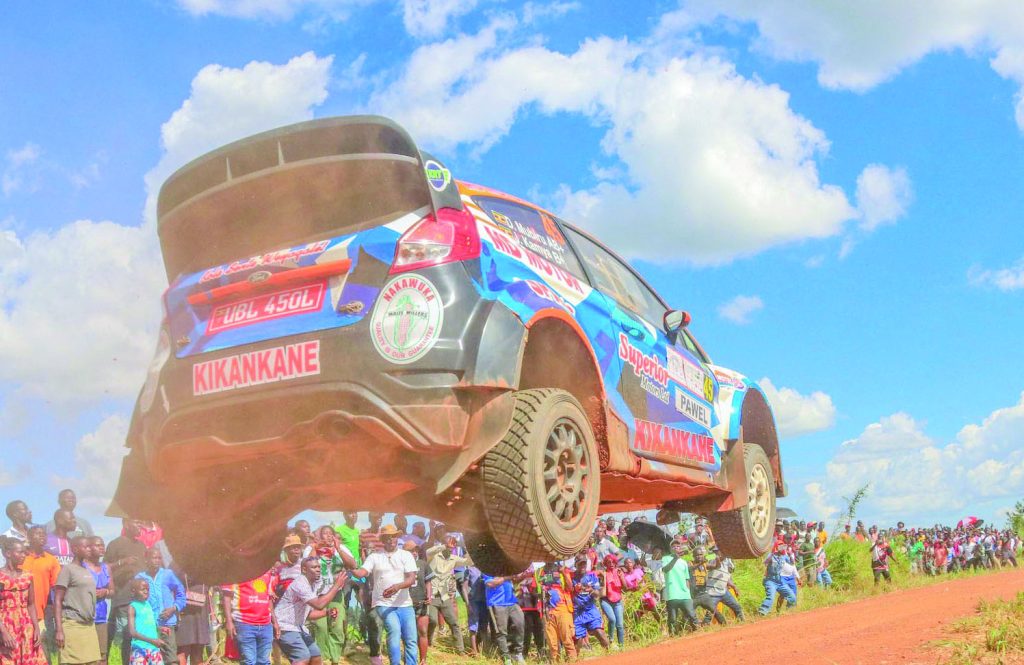
Duncan Mubiru, known for his aggressive driving style and passionate fan base, would undoubtedly feel the void left by Kamya’s departure. A navigator of Kamya’s caliber brought more than just pace notes; he brought experience, a calming presence, and an encyclopedic knowledge of rally regulations.
As the Mbale Rally roared to life without Kamya in Kikankane’s cockpit, the rallying community pondered the implications. Would KRT adjust its approach? Would Kamya find a new home, his invaluable skills once again sought after by another ambitious driver? One thing was certain: in the high-stakes world of rally, the silent navigators often held more power than met the eye, and Joseph Kamya had once again proven that even the most formidable partnerships could crumble when trust in the foundations wavered.